Indications
INDICATION

IMDELLTRA® (tarlatamab-dlle) is indicated for the treatment of adult patients with extensive stage small cell lung cancer (ES-SCLC) with disease progression on or after platinum-based chemotherapy.

INDICATION

IMDELLTRA® (tarlatamab-dlle) is indicated for the treatment of adult patients with extensive stage small cell lung cancer (ES-SCLC) with disease progression on or after platinum-based chemotherapy.

DeLLphi-304 was a phase 3, multicenter, randomized, open-label trial evaluating the efficacy and safety of IMDELLTRA® compared with chemotherapy in 509 patients with ES-SCLC who had progressed after treatment with 1 prior line of platinum-containing chemotherapy, with or without a PD-(L)1 inhibitor. Patients were randomized 1:1 to receive IMDELLTRA® (n=254) or chemotherapy (n=255).1,2

The phase 3 DeLLphi-304 study of IMDELLTRA® included patients with stable, asymptomatic brain metastases1,2,*

*Patients with symptomatic brain metastases were excluded.1

Primary endpoint: Overall survival (OS)

The first and only therapy to prove superior OS vs SOC chemotherapy in 2L ES-SCLC1

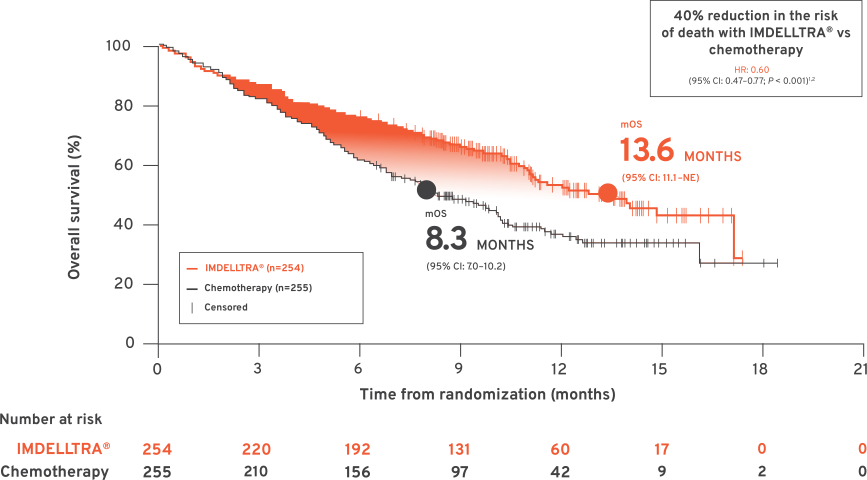
IMDELLTRA® demonstrated unprecedented overall survival in 2L ES-SCLC1,2,*,†,‡

overall survival graph from DeLLphi-304: IMDELLTRA® median OS 13.6 mo vs 8.3 mo with chemotherapy in 2L ES-SCLC.
  • Median follow-up was 11.2 months in the IMDELLTRA® arm and 11.7 months in the chemotherapy arm2
  • The chemotherapy arm included lurbinectedin, topotecan, or amrubicin1

* Based on 509 patients in the DeLLphi-304 study who were randomized 1:1 to receive IMDELLTRA® (n=254) or chemotherapy (n=255).1

Per Kaplan-Meier estimates.1

HR based on the stratified Cox proportional hazard model.1

2L, second line; CI, confidence interval; ES-SCLC, extensive stage small cell lung cancer; HR, hazard ratio; mOS, median overall survival; NE, not evaluable; OS, overall survival; SOC, standard of care.

DeLLphi-304 patient subgroups

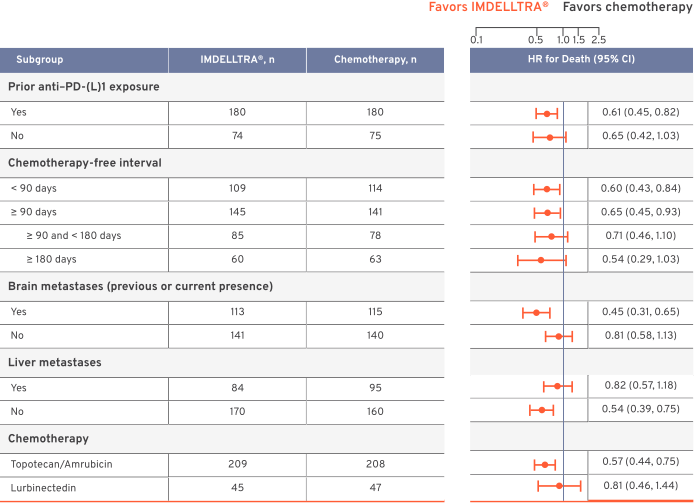
A comparison of OS analysis was conducted in predefined patient subgroups, including those with a high risk of relapse and brain metastases2,3,§

subgroup analysis from the DeLLphi-304 trial showing OS hazard ratios including brain metastases status and chemotherapy-free interval in 2L ES-SCLC.

§Patients with missing or unknown values were excluded from the analysis. No adjustment for multiplicity was prespecified, so the width of the confidence intervals should not be used in place of hypothesis testing.3

CI, confidence interval; HR, hazard ratio; OS, overall survival; PD-1, programmed cell death protein 1; PD-L1, programmed cell death ligand 1.

Secondary endpoint

Progression-free survival (PFS)

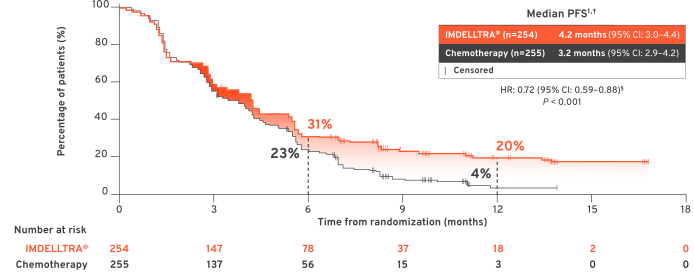
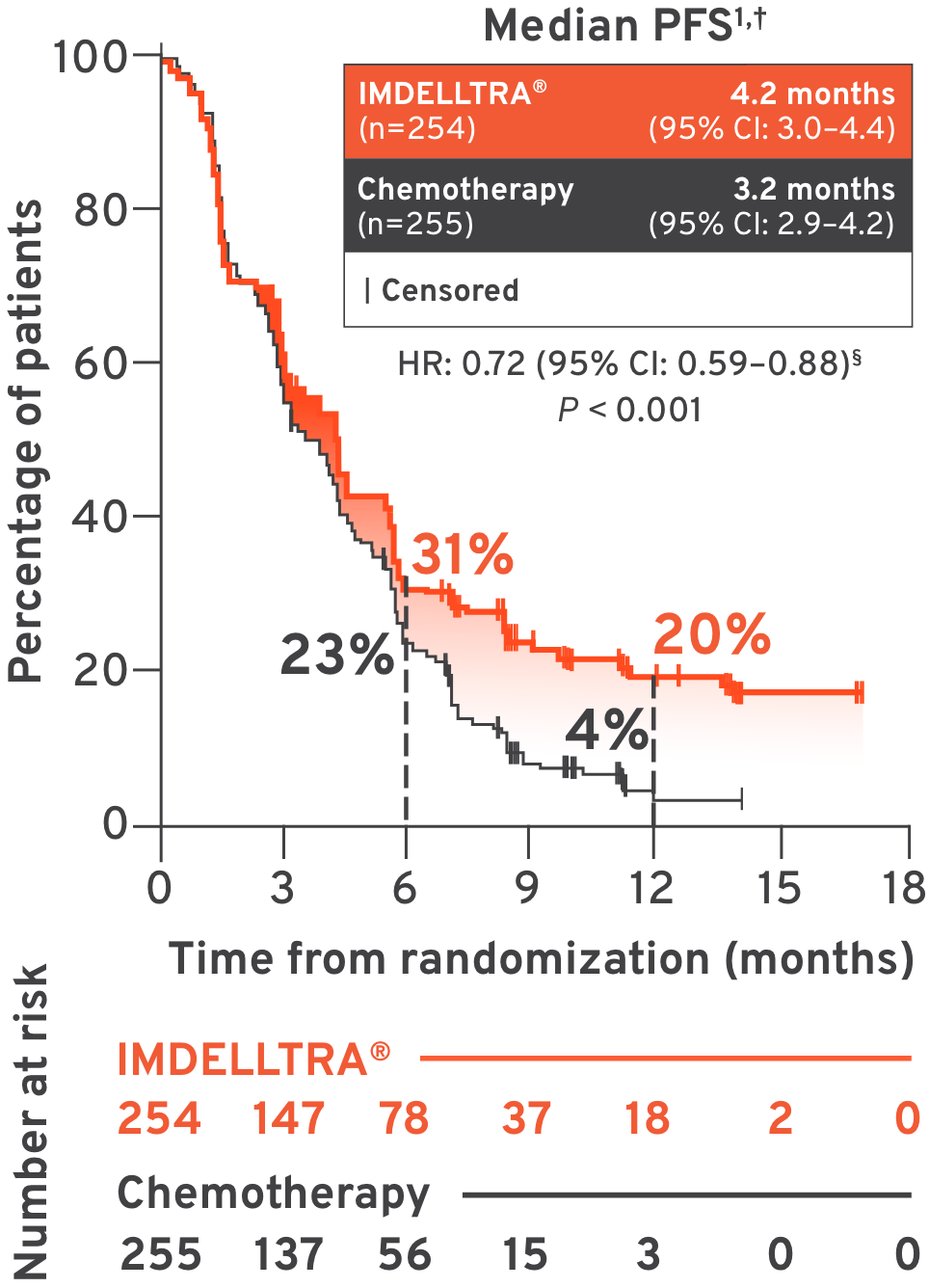
IMDELLTRA® demonstrated a statistically significant improvement in PFS vs chemotherapy1,2,*,†,‡

progression-free survival analysis from the phase 3 DeLLphi-304 trial comparing IMDELLTRA® vs chemotherapy in adults with 2L ES-SCLC, showing median PFS with IMDELLTRA® (4.2 vs 3.2 months).
  • Median follow-up was 11.0 months in the IMDELLTRA® and chemotherapy arms3

* Based on 509 patients in the DeLLphi-304 study who were randomized 1:1 to receive IMDELLTRA® (n=254) or chemotherapy (n=255).1

Per Kaplan-Meier estimates.1

PFS based on investigator assessment per RECIST v1.1.1

§ HR based on the stratified Cox proportional hazard model.1

CI, confidence interval; HR, hazard ratio; RECIST, Response Evaluation Criteria in Solid Tumors.

Post-hoc analysis: Brain metastases

  • Patients with stable, asymptomatic brain metastases were included. A CNS full analysis set was specified to include patients who had both a baseline scan and ≥ 1 post-baseline scan4,*
  • This post-hoc descriptive analysis on intracranial efficacy was assessed by BICR per mRANO-BM criteria4
  • The median time from prior CNS-directed radiation to randomization of IMDELLTRA® was 37.0 days (range: 7–634) vs 36.5 days (range: 8–650) in the chemotherapy arm4

* The CNS full analysis set is a subset of the intention-to-treat analysis set comprising patients who had at least 2 brain scans (1 at baseline and 1 post-baseline) and were identified per mRANO-BM by BICR as having at least 1 brain lesion at baseline.4

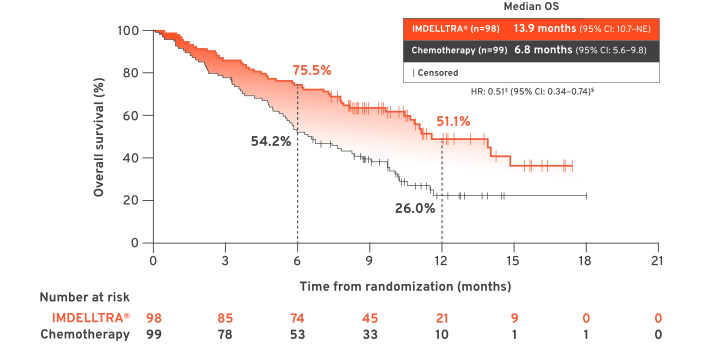
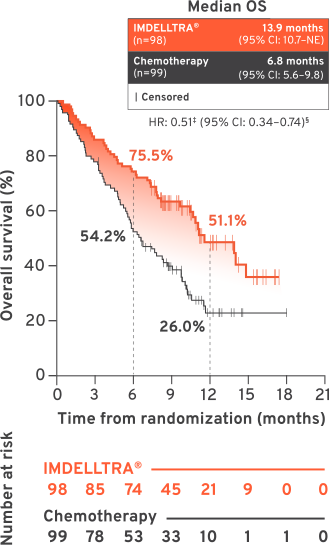
Numerically longer OS was observed with IMDELLTRA® vs chemotherapy in patients with brain metastases

Median OS4,†

Numerically longer OS was observed with IMDELLTRA® vs chemotherapy in patients with brain metastases

OS based on investigator assessment per RECIST in patients with brain metastases at baseline.4

HR and 95% CI were estimated using an unstratified Cox proportional hazards model.4

§HR for death for IMDELLTRA® vs chemotherapy in patients with brain metastases at baseline.4

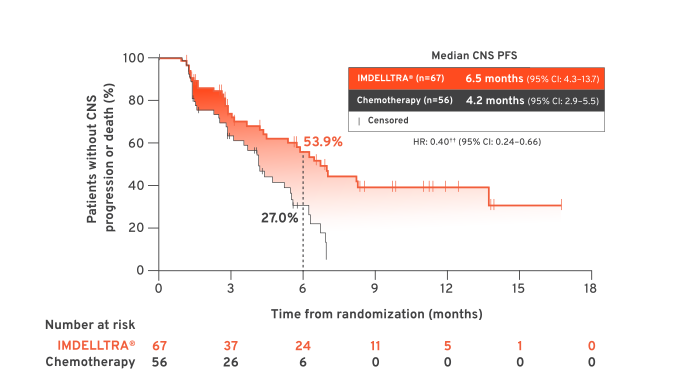
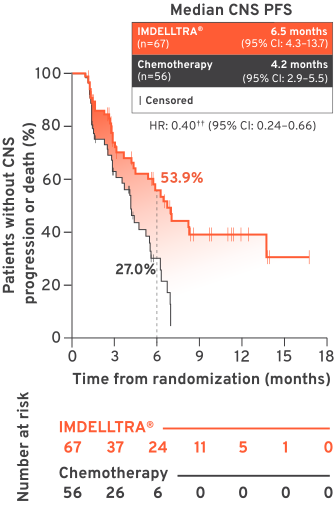
Median time to CNS progression or death was
6.5 months with IMDELLTRA® vs 4.2 months with chemotherapy

Median CNS PFS4,**

Median time to CNS progression or death was 6.5 months with IMDELLTRA® vs 4.2 months with chemotherapy

**CNS PFS assessed by BICR per mRANO-BM criteria in the CNS full analysis set.4

††HR and 95% CI were estimated using an unstratified Cox proportional hazards model.4

  • This was a post-hoc descriptive analysis of the DeLLphi-304 study4
  • The observed OS and PFS benefit in the IMDELLTRA® arm cannot be definitively attributed to the effects of IMDELLTRA®. The difference in OS and PFS between arms may instead reflect outcomes associated with the broader trial population

BICR, Blinded Independent Central Review; CI, confidence interval; CNS, central nervous system; HR, hazard ratio; mOS, median overall survival; mRANO-BM, modified Response Assessment in Neuro-Oncology Brain Metastases; NE, not evaluable; OS, overall survival; PFS, progression-free survival; RECIST, Response Evaluation Criteria in Solid Tumors; SCLC, small cell lung cancer; SOC, standard of care.

Secondary endpoint

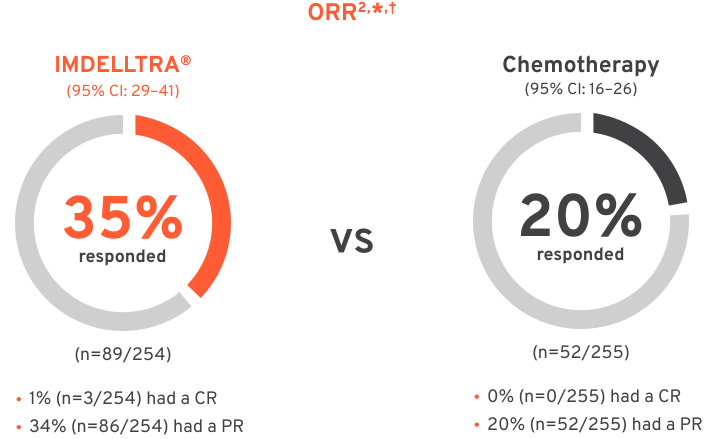
Overall response rate (ORR) and duration of response (DOR)2

 pie chart for IMDELLTRA® showing 35% in red, with a 95% confidence interval of 29-41, and  pie chart showing chemotherapy response with 20% highlighted.  95% Confidence interval of 16-26.
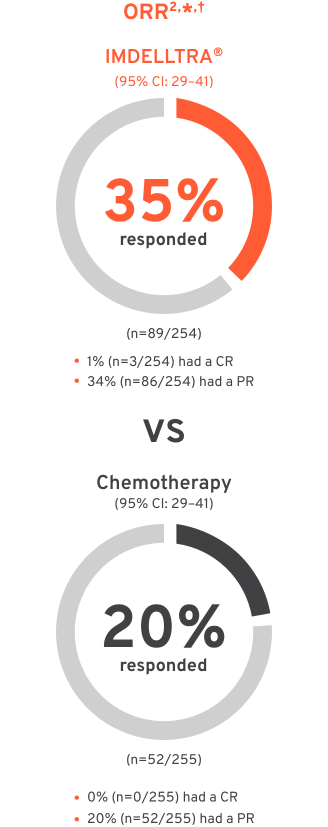
 pie chart for IMDELLTRA® showing 35% in red, with a 95% confidence interval of 29-41, and  pie chart showing chemotherapy response with 20% highlighted.  95% Confidence interval of 16-26.
  • Median time to response was 1.5 months (IQR: 1.4–1.6 months) with IMDELLTRA® vs 1.4 months (IQR: 1.3–2.2 months) with chemotherapy2

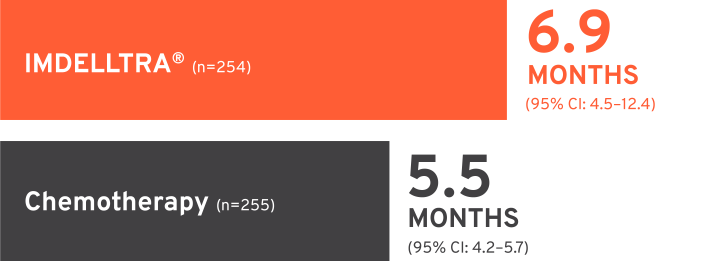
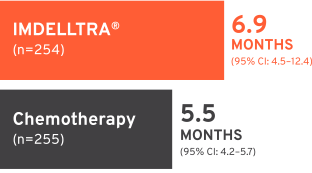
mDOR2,*,†

the image compares treatment durations: IMDELLTRA® shows 6.9 months (95% CI: 4.5-12.4), while Chemotherapy shows 5.5 months (95% CI: 4.2-5.7).

*Based on 509 patients in the DeLLphi-304 study who were randomized 1:1 to receive IMDELLTRA® (n=254) or chemotherapy (n=255).2

ORR and DOR based on investigator assessment per RECIST v.1.1.2

CI, confidence interval; CR, complete response; IQR, interquartile range; mDOR, median duration of response; PR, partial response; RECIST, Response Evaluation Criteria in Solid Tumors.

Secondary endpoint

Patient-reported outcomes (PROs)

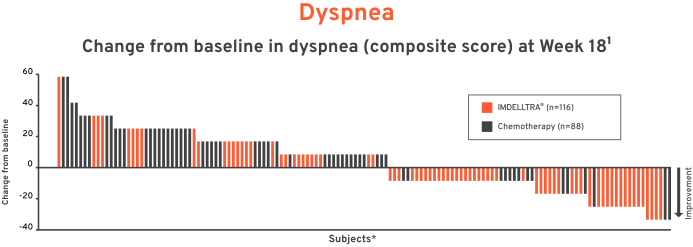
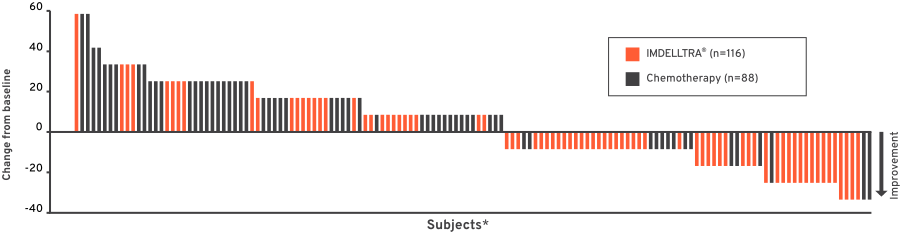
IMDELLTRA® demonstrated a statistically significant improvement in dyspnea compared to chemotherapy at Week 181

waterfall plot showing IMDELLTRA® (tarlatamab-dlle) dyspnea vs chemotherapy at week 18 from baseline in 2L ES SCLC
  • The analysis of mean change from baseline in dyspnea was assessed using the European Organization for Research and Treatment of Cancer quality of life questionnaire–core 30 (EORTC QLQ-C30) and 13-item lung cancer (EORTC QLQ-LC13) module at Week 181
  • At Week 18, 149 patients (59%) randomized to IMDELLTRA® and 116 patients (45%) randomized to chemotherapy were still on treatment, and the compliance rates were 79% and 76%, respectively at that timepoint1

*Two patients with a missing baseline value, both from the IMDELLTRA® arm, are not included in the waterfall plot. Patients with no change in dyspnea score are not graphically represented (n=38 for IMDELLTRA®, n=26 for chemotherapy).1

dyspena-mob
icon symbolizing data analysis and research.

Additional IMDELLTRA®
efficacy data

Choose IMDELLTRA®

1st
The first and only FDA-approved DLL3-targeting BiTE® therapy to deliver an overall survival benefit vs chemotherapy in 2L ES-SCLC1

2L, second line; BiTE, Bispecific T-cell Engager; DLL3, delta-like ligand 3; ES-SCLC, extensive stage small cell lung cancer.

IMPORTANT SAFETY INFORMATION

WARNING: CYTOKINE RELEASE SYNDROME and NEUROLOGIC TOXICITY including IMMUNE EFFECTOR CELL-ASSOCIATED NEUROTOXICITY SYNDROME

  • Cytokine release syndrome (CRS), including life-threatening or fatal reactions, can occur in patients receiving IMDELLTRA®. Initiate treatment with IMDELLTRA® using the step-up dosing schedule to reduce the incidence and severity of CRS. Withhold IMDELLTRA® until CRS resolves or permanently discontinue based on severity.
  • Neurologic toxicity and immune effector cell-associated neurotoxicity syndrome (ICANS), including life-threatening or fatal reactions, can occur in patients receiving IMDELLTRA®. Monitor patients for signs and symptoms of neurologic toxicity, including ICANS, during treatment and treat promptly. Withhold IMDELLTRA® until ICANS resolves or permanently discontinue based on severity.

WARNINGS AND PRECAUTIONS

  • Cytokine Release Syndrome (CRS): IMDELLTRA® can cause CRS including life-threatening or fatal reactions. In the pooled safety population, CRS occurred in 57% (268/473) of patients who received IMDELLTRA®, including 39% Grade 1, 15% Grade 2, 1.7% Grade 3 and 0.2% Grade 4. Recurrent CRS occurred in 24% of IMDELLTRA®-treated patients including 20% Grade 1 and 3.4% Grade 2; one patient experienced recurrent Grade 3.

    Among the 268 patients who experienced CRS, 73% had CRS after the first dose, 60% had CRS after the second dose, and 15% had CRS following the third or later dose. Following the Cycle 1 Day 1, Day 8, Day 15 infusions, 24%, 8%, and 1% of patients experienced Grade ≥ 2 CRS, respectively. From Cycle 2 onwards, 1.5% of patients experienced Grade ≥ 2 CRS. Of the patients who experienced CRS, 31% received steroids and 10% required tocilizumab. The median time to onset of all grade CRS from most recent dose of IMDELLTRA® was 16 hours (range: start of infusion to 15 days). The median time to onset of Grade ≥ 2 CRS from most recent dose of IMDELLTRA® was 15 hours (range: start of infusion to 15 days).

    Clinical signs and symptoms of CRS included pyrexia, hypotension, fatigue, tachycardia, headache, hypoxia, nausea, and vomiting. Potentially life-threatening complications of CRS may include cardiac dysfunction, acute respiratory distress syndrome, neurologic toxicity, renal and/or hepatic failure, and disseminated intravascular coagulation (DIC).

    Administer IMDELLTRA® following the recommended step-up dosing and administer concomitant medications before and after Cycle 1 Day 1 and Cycle 1 Day 8 IMDELLTRA® infusions as described in Table 3 of the Prescribing Information (PI) to reduce the risk of CRS. Administer IMDELLTRA® in an appropriate healthcare facility equipped to monitor and manage CRS. Ensure patients are well hydrated prior to administration of IMDELLTRA®.

    Closely monitor patients for signs and symptoms of CRS during treatment with IMDELLTRA®. At the first sign of CRS, immediately discontinue IMDELLTRA® infusion, evaluate the patient for hospitalization and institute supportive care based on severity. Withhold or permanently discontinue IMDELLTRA® based on severity. Counsel patients and caregivers to seek medical attention should signs or symptoms of CRS occur.

  • Neurologic Toxicity, Including ICANS: IMDELLTRA® can cause life-threatening or fatal neurologic toxicity, including ICANS. In the pooled safety population, neurologic toxicity occurred in 65% of patients who received IMDELLTRA®, with Grade 3 or higher events in 7% of patients including fatal events in 0.2%. The most frequent neurologic toxicities were dysgeusia (34%), headache (17%), peripheral neuropathy (9%), dizziness (9%), and insomnia (8%).

    The incidence of signs and symptoms consistent with ICANS was 10% in IMDELLTRA®-treated patients, including events with the preferred terms: ICANS (4.7%), muscular weakness (3.2%), cognitive disorder (0.6%), aphasia (0.6%), depressed level of consciousness (0.4%), seizures (0.4%), encephalopathy (0.4%), and leukoencephalopathy (0.2%). There was one fatal reaction of ICANS. Recurrent ICANS occurred in 1.5% of patients. Of the patients who experienced ICANS, most experienced the event following Cycle 1 Day 1 (2.5%) and Cycle 1 Day 8 (3.6%). Following Day 1, Day 8, and Day 15 infusions, 1.3%, 1.3% and 0.4% of patients experienced Grade ≥ 2 ICANS, respectively. ICANS can occur several weeks following administration of IMDELLTRA®. The median time to onset of ICANS from the first dose of IMDELLTRA® was 16 days (range: 1 to 862 days). The median time to resolution of ICANS was 4 days (range: 1 to 40 days).

    The onset of ICANS can be concurrent with CRS, following resolution of CRS, or in the absence of CRS. Clinical signs and symptoms of ICANS may include but are not limited to confusional state, depressed level of consciousness, disorientation, somnolence, lethargy, and bradyphrenia.

    Patients receiving IMDELLTRA® are at risk of neurologic adverse reactions and ICANS resulting in depressed level of consciousness. Advise patients to refrain from driving and engaging in hazardous occupations or activities, such as operating heavy or potentially dangerous machinery, until neurologic symptoms resolve.

    Closely monitor patients for signs and symptoms of neurologic toxicity and ICANS during treatment with IMDELLTRA®. At the first sign of ICANS, immediately discontinue the infusion, evaluate the patient and provide supportive therapy based on severity. Withhold IMDELLTRA® or permanently discontinue based on severity.

  • Cytopenias: IMDELLTRA® can cause cytopenias including neutropenia, thrombocytopenia, and anemia. In the pooled safety population, based on laboratory data, decreased neutrophils occurred in 16% of patients, including 9% Grade 3 or 4. The median time to onset for Grade 3 or 4 decreased neutrophil count was 41 days (range: 2 to 306 days). Decreased platelets occurred in 30% including 2.2% Grade 3 or 4. The median time to onset for Grade 3 or 4 decreased platelets was 67 days (range: 3 to 420 days). Decreased hemoglobin occurred in 56% of patients, including 4.7% Grade 3 or 4. Febrile neutropenia was reported as an adverse event in 1.5% of patients treated with IMDELLTRA®.

    Monitor patients for signs and symptoms of cytopenias. Perform complete blood counts prior to treatment with all doses of IMDELLTRA®, up through Cycle 5 Day 15 and then prior to administration on Day 1 of each cycle starting with Cycle 6. Based on the severity of cytopenias, temporarily withhold, or permanently discontinue IMDELLTRA®.

  • Infections: IMDELLTRA® can cause serious infections, including life-threatening and fatal infections.

    In the pooled safety population, infections, including opportunistic infections, occurred in 43% of patients who received IMDELLTRA®, including 14% Grade 3 or 4. The most frequent infections were pneumonia (11%), urinary tract infection (9%), COVID-19 (6%), upper respiratory tract infection (4.7%), respiratory tract infection (4%), candida infection (2.1%), oral candidiasis (2.1%), and nasopharyngitis (2.1%).

    Monitor patients for signs and symptoms of infection prior to and during treatment with IMDELLTRA® and treat as clinically indicated. Withhold or permanently discontinue IMDELLTRA® based on severity.

  • Hepatotoxicity: IMDELLTRA® can cause hepatotoxicity. In the pooled safety population, based on laboratory data, elevated ALT occurred in 39% of patients who received IMDELLTRA®, including 2.5% with Grade 3 or 4 ALT. Elevated AST occurred in 43% of patients, including 3.2% Grade 3 or 4. Elevated bilirubin also occurred in 16% of patients, including 1.3% Grade 3 or 4. Liver enzyme elevation can occur with or without concurrent CRS.

    Monitor liver enzymes and bilirubin prior to treatment with IMDELLTRA®, and as clinically indicated. Withhold IMDELLTRA® or permanently discontinue based on severity.

  • Hypersensitivity: IMDELLTRA® can cause severe hypersensitivity reactions. Clinical signs and symptoms of hypersensitivity may include, but are not limited to, rash and bronchospasm. Monitor patients for signs and symptoms of hypersensitivity during treatment with IMDELLTRA® and manage as clinically indicated. Withhold or consider permanent discontinuation of IMDELLTRA® based on severity.

  • Embryo-Fetal Toxicity: Based on its mechanism of action, IMDELLTRA® may cause fetal harm when administered to a pregnant woman. Advise patients of the potential risk to a fetus. Advise females of reproductive potential to use effective contraception during treatment with IMDELLTRA® and for 2 months after the last dose.


ADVERSE REACTIONS

  • The pooled safety population reflects exposure to intravenous IMDELLTRA®, as a single agent, at the recommended dosage of IMDELLTRA® 1 mg on Cycle 1 Day 1 followed by 10 mg on Days 8 and 15, and then every 2 weeks until disease progression or intolerable toxicity in 473 patients with small cell lung cancer enrolled in three clinical trials: DeLLphi-300, DeLLphi-301 and DeLLphi-304. Among 473 patients who received IMDELLTRA®, 40% were exposed for 6 months or longer and 19% were exposed for greater than one year.

  • The most common (≥ 20%) adverse reactions were CRS (57%), fatigue (48%), decreased appetite (38%), dysgeusia (34%), pyrexia (33%), constipation (31%), musculoskeletal pain (31%), and nausea (25%).

  • The most common (≥ 5%) Grade 3 or 4 laboratory abnormalities were decreased lymphocytes (43%), decreased sodium (12%), decreased total neutrophils (9%), and increased uric acid (6%).

DOSAGE AND ADMINISTRATION: Important Dosing Information

  • Administer IMDELLTRA® as an intravenous infusion over 1 hour.
  • Administer IMDELLTRA® according to the step-up dose and schedule in the IMDELLTRA® PI (Table 1) to reduce the incidence and severity of CRS.
  • Evaluate complete blood count, liver enzymes and bilirubin prior to administration of all doses of IMDELLTRA® up through Cycle 5 Day 15 and then prior to administration of IMDELLTRA® on Day 1 of each cycle starting with Cycle 6. More frequent evaluation may be necessary if clinically indicated.
  • For Cycle 1, administer recommended concomitant medications before and after Cycle 1 Day 1 and Cycle 1 Day 8 IMDELLTRA® infusions to reduce the risk of CRS reactions as described in the PI (Table 3).
  • IMDELLTRA® should only be administered by a qualified healthcare professional with appropriate medical support to manage severe reactions such as CRS and neurologic toxicity including ICANS.
  • Due to the risk of CRS and neurologic toxicity, including ICANS, monitor patients from the start of the IMDELLTRA® infusion for 22 to 24 hours following Cycle 1 Day 1 and Cycle 1 Day 8 in an appropriate healthcare setting.
  • Recommend that patients remain within 1 hour of an appropriate healthcare setting for a total of 48 hours from the start of the infusion with IMDELLTRA® following Cycle 1 Day 1 and Cycle 1 Day 8 doses, accompanied by a caregiver.
  • Inform both the patient and the caregiver on the signs and symptoms of CRS and ICANS prior to discharge.
  • Ensure patients are well hydrated prior to administration of IMDELLTRA®.

INDICATION

IMDELLTRA® (tarlatamab-dlle) is indicated for the treatment of adult patients with extensive stage small cell lung cancer (ES-SCLC) with disease progression on or after platinum-based chemotherapy.

Please see IMDELLTRA® full Prescribing Information, including BOXED WARNINGS.


References: 1. Mountzios G, et al. N Engl J Med. 2025;393:349-361. 2. IMDELLTRA® (tarlatamab-dlle) prescribing information, Amgen. 3. Data on file, Amgen;[1]; 2025. 4. Data on file, Amgen;[2]; 2025. 5. Shimabukuro-Vornhagen A, et al. J Immunother Cancer. 2018;6:56. 6. Lee DW, et al. Biol Blood Marrow Transplant. 2019;25:625-638. 7. Mountzios G, et al. N Engl J Med. 2025;393(suppl):349-361.

References: 1. IMDELLTRA® (tarlatamab-dlle) prescribing information, Amgen. 2. Lee DW, et al. Biol Blood Marrow Transplant. 2019;25:625-638.

References: 1. IMDELLTRA® (tarlatamab-dlle) prescribing information, Amgen. 2. Mountzios G, et al. N Engl J Med. 2025;393:349-361. 3. Mountzios G, et al. N Engl J Med. 2025;393(suppl):349-361.

References: 1. Rudin CM, et al. Nat Rev Dis Primers. 2021;7:3. 2. Meriggi F. Cancers (Basel). 2024;16:255. 3. Sabari JK, et al. Nat Rev Clin Oncol. 2017;14:549-561. 4. National Cancer Institute. www.cancer.gov. Accessed September 17, 2025. 5. IMDELLTRA® (tarlatamab-dlle) prescribing information, Amgen. 6. Mountzios G, et al. N Engl J Med. 2025;393:349-361. 7. Rojo F, et al. Lung Cancer. 2020;147:237-243. 8. National Cancer Institute. www.cancer.gov. Accessed October 24, 2025. 9. Referenced with permission from the NCCN Clinical Practice Guidelines in Oncology (NCCN Guidelines®) for Small Cell Lung Cancer V.2.2026. ©National Comprehensive Cancer Network, Inc. 2025. All rights reserved. Accessed September 17, 2025. To view the most recent and complete version of the guideline, go online to NCCN.org. 10. Referenced with permission from the NCCN Clinical Practice Guidelines in Oncology (NCCN Guidelines®) for Central Nervous System Cancers V.2.2025. ©National Comprehensive Cancer Network, Inc. 2025. All rights reserved. Accessed September 2, 2025. To view the most recent and complete version of the guideline, go online to NCCN.org. 11. Kalemkerian GP, et al. J Clin Oncol. 2025;43:101-105.

NCCN makes no warranties of any kind whatsoever regarding their content, use or application and disclaims any responsibility for their application or use in any way.

References: 1. IMDELLTRA® (tarlatamab-dlle) prescribing information, Amgen. 2. Mountzios G, et al. N Engl J Med. 2025;393:349-361.

IMPORTANT SAFETY INFORMATION

WARNING: CYTOKINE RELEASE SYNDROME AND NEUROLOGIC TOXICITY including IMMUNE EFFECTOR CELL‐ASSOCIATED NEUROTOXICITY SYNDROME

  • Cytokine release syndrome (CRS), including life-threatening or fatal reactions, can occur in patients
Back to top